
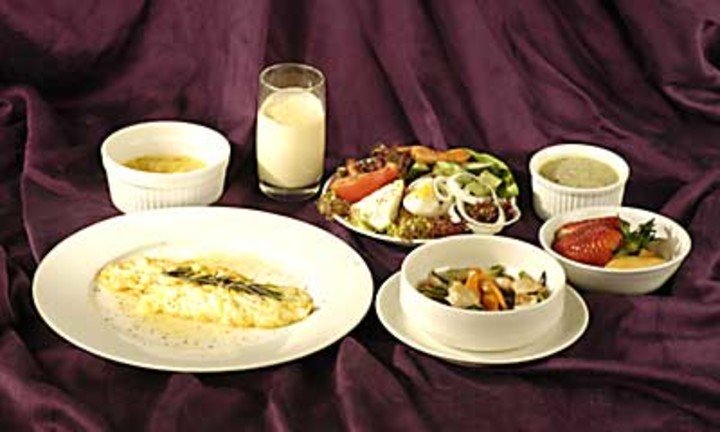
Ketogenic diets have some little-known features, here are some tips on them:
1) The first days are the most difficult
The first days of the ketogenic diet are the most difficult, and tiredness, fatigue and even dehydration can occur. These symptoms occur because the body goes through a process of adapting to the new way of obtaining energy. When ketone bodies start to be produced, the metabolism goes back to normal and this feeling of lack of energy is being replaced by even more disposition than before.
2) You will dramatically reduce fluid retention
For people who feel bloated due to fluid retention, a ketogenic diet can help a lot. In the first few days there was already a reasonable loss of weight, mainly due to the elimination of water that was retained by glycogen storage.
In fact, much of the weight lost in the first days of a ketogenic diet is due to the loss of water that was retained in the body. After several weeks of following the diet, fat burning will occur.
According to results of a meta-analysis study published in 2013 in The British Journal of Nutrition, people who follow a long-term ketogenic diet lose more weight than those who follow a low-fat diet or a short-term diet.
3) Hydration
Drinking plenty of water is extremely important to maintain hydration and help eliminate fluids. Especially before, during and after physical exercise.
In addition to helping to reduce fluid retention, drinking plenty of water helps to prevent bad breath and the strong smell of urine, which are very common during a ketogenic diet.
Hydrating yourself well is also important to prevent dehydration, as reduced fluid retention makes you urinate more to eliminate them, and along with that urine, electrolytes that are important for cardiovascular health and for various biochemical reactions also go away. that happen in our body.
Research published in 2014 in the scientific journal Nutrients indicates that dehydration is a side effect of ketosis and that, especially in the case of athletes, this can increase the risk of kidney stones.
When looking for signs like intense thirst, dark colored urine or a bad smell and bad breath, see a doctor to check if you are dehydrated because of the ketogenic diet.
4) Monitoring of the lipid profile
It is recommended that fat sources are generally good, unsaturated fats. However, many foods rich in saturated fats and cholesterol can also be consumed. Although they are not great villains as long believed, a diet rich in saturated fats can, in some cases, alter the blood lipid profile. Follow up with your doctor to monitor this parameter and its variation. It is worth avoiding excessive amounts of bacon, very fatty meats and processed fats to minimize this risk.
5) Vitamins and Mineral Salts
Foods rich in carbohydrates are also suppliers of many micronutrients, such as vitamins and minerals. The suspension of consumption of these foods can lead to nutritional deficiency for these factors. Thus, supplementation with good multivitamins can be an excellent way to maintain an adequate supply. The same is true with dietary fibers.
As we already mentioned, the ketogenic diet makes you lose more water, which can alter your body’s electrolyte balance and lead to the loss of important vitamins and minerals. To prevent mineral loss, it is recommended to take sodium, calcium, potassium and magnesium supplements and make adjustments to the diet if necessary.
Signs that your body is lacking mineral salts can include muscle cramps or pain and fatigue.
6) Ketosis is different from ketoacidosis
There may be a concern about the state of ketoacidosis, very common in diabetic patients, which occurs when the production and levels of ketones in the blood go beyond safe limits, leading to a decrease in blood pH and thus serious consequences. However, in non-diabetic people this does not occur.
Ketoacidosis is a complication of type 1 diabetic patients in which blood sugar and ketone levels are extremely high and dangerous to health, especially for organs such as the liver and kidneys. Ketosis is just the name given to the presence of ketogenic bodies in the body, which are produced in the body every time we burn fat and which is not harmful to health in the short term.
7) The carbohydrate replacement tactic
Depletion of muscle glycogen can lead to fatigue and decreased performance for those who practice physical activities. One strategy used to circumvent this problem is the adoption of days of high consumption of carbohydrates interspersed with days of minimum consumption. On these days fats should be consumed in small quantities. This will lead to replenishment of glycogen stores and improve muscle efficiency.
8) Attention to a dangerous trap
If you start a ketogenic diet for weight and fat loss, like any other diet, it is necessary that the calorie balance between intake and energy expenditure is negative, otherwise all the energy you need for the day will be obtained from food and all your fat stores will be preserved.
If you spend more than you eat, then the metabolism will obtain energy from the breakdown of stored fats. However, when this deficit is very large, the speed with which the liver is able to transform fat into free fatty acids and ketone bodies that will be used as fuel for cells instead of glucose, may not be enough to meet the entire energy demand of the body. This will lead to the search for alternative sources, in this case the amino acids that constitute the proteins present in the muscle tissue. These amino acids can be converted to glucose, providing energy. In summary, you start to catabolize lean mass, which most of the time is not desirable, the ideal is to lose fat without losing muscle.
Therefore, this can be an important pitfall for those who want to lose weight excessively fast by eating very low calorie diets.
The loss of lean mass in addition to compromising physical performance and appearance can also hinder the weight loss process, as the muscles require a large amount of energy, even in basal metabolism. Losing muscles means having a slower metabolism and consequently more difficulty in losing weight.
On the other hand, consuming calories in exaggerated amounts, greater than necessary to achieve your goal, even if they come only from fats, will lead to weight gain, even if you are in a state of ketosis.
Thus, in addition to the concern with which macronutrients to ingest, it is necessary to pay attention to the ideal amounts of each, larger or smaller amounts will not bring the desired effect. The nutritionist is the best prepared person to design a diet customized to the needs of each person.
See also: 10 Hidden Carbohydrate Foods
9) Make a plan
Maintaining a diet as different as the ketogenic is not easy. Most easily accessible foods are high in carbohydrates and bad fats. In restaurants it can be difficult to find the right food for your diet, and eating on the street does not allow you to know the correct amount of what you are eating. Have at home everything you need to prepare your meals and try to plan the meals of the week in order to prevent any inconvenience from leaving your diet and losing all the results already achieved.
10) Don’t fall into temptation
Having foods high in sugar, pasta, bread, sweets at home can be a dangerous trap to get out of the diet. Avoid buying and storing these foods, since if you consume carbohydrates on the wrong days and amounts the state of ketosis will not settle and you will not have the benefits you want from the diet. To work, the diet needs to be followed correctly.
There is also no reason to leave the diet if you are going to eat out. It is perfectly possible to choose a portion of protein with some vegetables and leave the carbs out of your plate.