
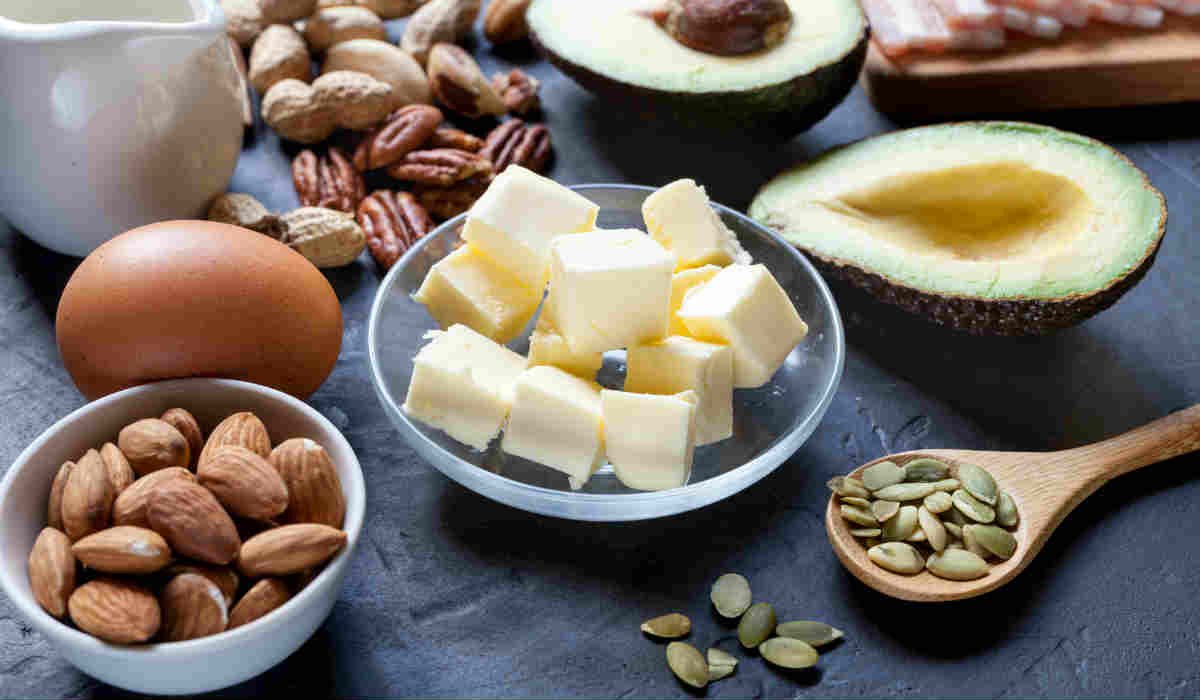
The ketogenic diet proposes to sharply reduce the amount of carbohydrates consumed and considerably increase the consumption of fats and slightly increase the intake of proteins. These changes are made with the goal of weight loss.
However, doctors advise that a healthy diet consists of 55 to 75% carbohydrates, 10 to 15% proteins and 15 to 30% fats.
Despite really providing a quick weight loss, the ketogenic diet favors a series of health problems such as cancer, hypoglycemia, high cholesterol, fatigue, headaches, among others. Next, clarify all two doubts about this method:
Why does it help you lose weight?
The ketogenic diet contributes to weight loss because it sharply reduces carbohydrate consumption. This is because carbohydrates are the main source of energy for the body, since glucose is obtained from them.
When this is done, the body needs to draw energy from other sources. The second option is the fat reserve that our body has. When this fat reserve is burned, the person loses weight.
However, the problem is that this burning of fat also leads to the release of substances called ketone bodies, which in excess cause nausea and nausea.
How the ketogenic diet works
The ketogenic diet is usually composed of 10 to 15% of carbohydrates, 50% of fats and 30% of proteins. Simple carbohydrates, those that are easily absorbed, which includes white rice, white bread, pasta and sugar, are prohibited. There is no restriction on the types of proteins and fats, so sausages and red meats are released.
Foods allowed in the ketogenic diet
The main foods that are part of the ketogenic diet menu are sources of fats and proteins. Some examples are: chicken breast, red meat, fish, eggs, pork, sausages (such as turkey breast and ham), curd, oilseeds, olive oil, butter, lettuce, dark green vegetables such as broccoli and spinach, and cheeses.
Foods to avoid in the ketogenic diet
The foods that should be avoided in the ketogenic diet are carbohydrates, especially those that are easily absorbed, such as white breads, white rice, sugar and pasta.
Ketogenic diet and cancer
Many people believe that the ketogenic diet can be an ally of cancer treatment. This is mainly due to the fact that while normal cells manage to enter into ketosis – that is, use fatty acids instead of glucose as an energy source, when there is no consumption of carbohydrates – cancer cells are unable to do the same .
However, as much as the body is not ingesting glucose via food, there is still production of glucose by the cells and apparently the cancer cells are able to live and reproduce in these conditions.
In a study conducted in 2012 and published by the scientific journal Nutrition , 10 patients with advanced cancer underwent a ketogenic diet for 28 days. After the period, 4 patients had the disease still progressing, 5 stabilized and only one had partial tumor remission.
Therefore, it is not yet possible to say with certainty whether this type of diet really works for those suffering from cancer, and further larger studies need to be conducted to reach a conclusion on the topic.
Ketogenic diet menu
The following is an example of a ketogenic diet menu:
Breakfast: scrambled eggs with turkey breast and butter
Lunch: picanha with broccoli seasoned with olive oil
Afternoon snack: chestnuts.
Dinner: grilled salmon with salad seasoned with olive oil.
Benefits of the ketogenic diet
Fast weight loss: the only advantage of the ketogenic diet is that it provides rapid weight loss. This is because, by drastically reducing carbohydrate consumption, the body is left without its main source of energy. Then, the body will use glycogen, a small reserve of energy that is in the muscle and liver. And this leads to rapid weight loss of around 4 pounds.
After this phase, the body will seek energy in the adipose tissue, then fat burning occurs. In addition to burning fats, restricting carbohydrates also leads to burning muscles.
By providing rapid weight loss, the ketogenic diet makes the person feel excited to continue this weight loss process. This can eventually make her agree to undergo food reeducation and thus lose weight in a healthy way.
Dangers of the ketogenic diet
Fatigue and headaches: With a lack of carbohydrates, the body tends to convert fat into energy which leads to the release of substances called ketone bodies. In excess of these substances can cause nausea and nausea. The reduction in carbohydrates will also cause a feeling of tiredness.