
If you have been with Mr. Tanquinho for some time, you know that we talk a lot about a lower carbohydrate diet – and also about a ketogenic diet and ketosis .
In fact, it is quite possible that you have already read our complete text on the ketogenic diet .
Or even seen our free ketogenic diet materials, such as lists of allowed foods and the example menu for 7 days .
And, since we strongly believe in the idea of experimenting with your own body, you may have even been interested in getting into ketosis at one time or another.
With all of that, maybe you could believe that we would recommend the ketogenic diet to everyone.
However, there are some caveats, and even contraindications regarding it.
Since there are many good reasons why a person should not try this type of diet (or at least take some extra precautions).
Today, I am going to tell you when you should be especially careful when considering a ketogenic diet .
So let’s list the 8 reasons why you should be cautious when thinking about following a ketogenic diet.
Cautious Reason # 1 With Ketogenic – If You Have Diabetes
In the case of type 2 diabetes, the evidence is extremely clear: very low-carb (ketogenic) diets work , and perhaps even better than any other diet.
(As our nutritionist friend Jhersyka Teixeira explained in a full text about low-carb diets and type 2 diabetes .)
In obese and diabetic people, a ketogenic diet improves glycemic control to a greater degree than a low-calorie diet.
In fact, a study was recently published showing that, in type 2 diabetics, a very low-carb diet was more effective in stimulating weight loss than conventional diets (those with low fat content).
However, the study’s authors recommend that diabetics on the ketogenic diet maintain medical supervision to avoid very large drops in blood sugar.
Another typical feature of studies involving diabetics and the ketogenic diet is the regular and supervised adjustment of medication dosages.
And it makes perfect sense.
After all, if your glucose control improves, the old dosage of drugs designed to control it can be excessive and counterproductive (including causing hypoglycemia, and other unwanted side effects).
Instead of taking chances, always consult a specialist .
Related: in addition to improving diabetes, learn about 5 other benefits of low-carb diets proven by science
Cautious Reason # 2 With Ketogenic – If You Are Pregnant
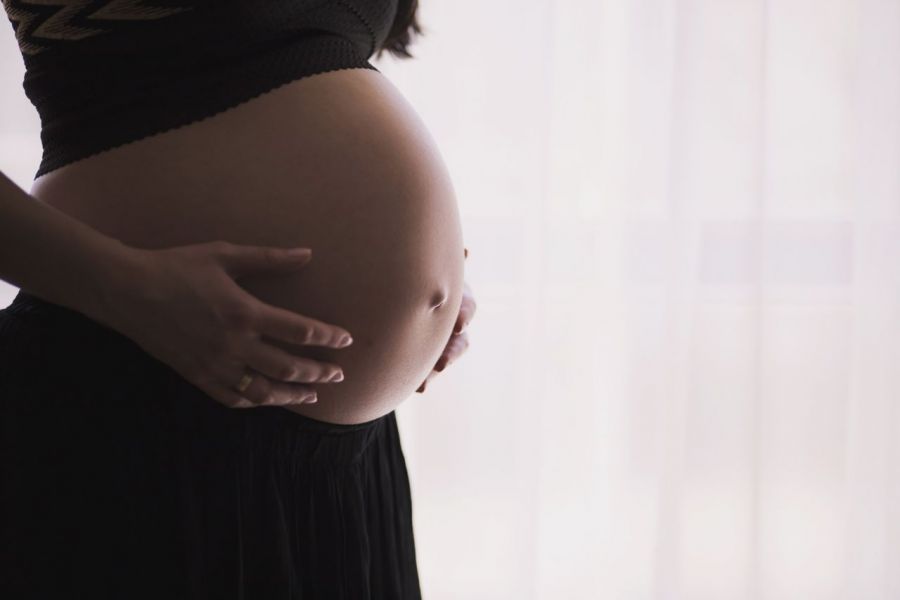
There are still no conclusive studies done on pregnant women following the ketogenic diet (and there probably never will be).
So, let’s talk here about hypotheses that were formulated based only on studies done with mice.
In one of these studies, female rats on a ketogenic diet during pregnancy produced pups with reduced growth in certain areas of the brain, and with greater growth in other areas.
However, in another study, puppies born to mice on a ketogenic diet were physically more active than mice whose mothers had regular diets – in addition to being more resistant to anxiety and depression.
Ketogenic diets in the maternity hospital have also been shown to negatively affect the fertility of the rats and to slow the growth of the young.
Before you start worrying and trying at all costs to get out of ketosis, there are a few caveats to this particular point:
- The studies were done with rats. I believe that you are not one;
- They were eating refined ketogenic feed, made of oils and powders, instead of the ketogenic diets based on real foods (which are most recommended for humans);
- They ate almost zero carbs (just 0.7% of calories), which I would never recommend to anyone – let alone a pregnant woman;
- The intake of fatty acids from the ketogenic diet was unbalanced, with much more polyunsaturated fat than saturated fat;
- This was a ketogenic diet designed to maximize ketosis. Not least because it is more difficult for non-humans to get into ketosis – which may indicate that ketosis is probably less safe in other animals than in humans.
Still, it is necessary to be careful.
For being a pregnant woman, generating a human being, you will need all the nutrients at your disposal.
(And a diet with a high nutritional density and rich in real food like the paleo diet is ideal for providing these nutrients, without being restrictive like the ketogenic – as Dr. Souto argues here. )
Therefore, it makes no sense to restrict highly nutritious foods during pregnancy.
Or, in short: pregnancy is not a good time to experiment.
Cause Reason # 3 With Ketogenic – If You Are Breastfeeding
Remember that little metabolite known as oxaloacetate – the protein or carbohydrate derivative needed to end the Krebs cycle and produce ATP from fat and glucose?
The one that, when we don’t have enough, we start making ketones?
(If you don’t remember, no problem: keep reading.)
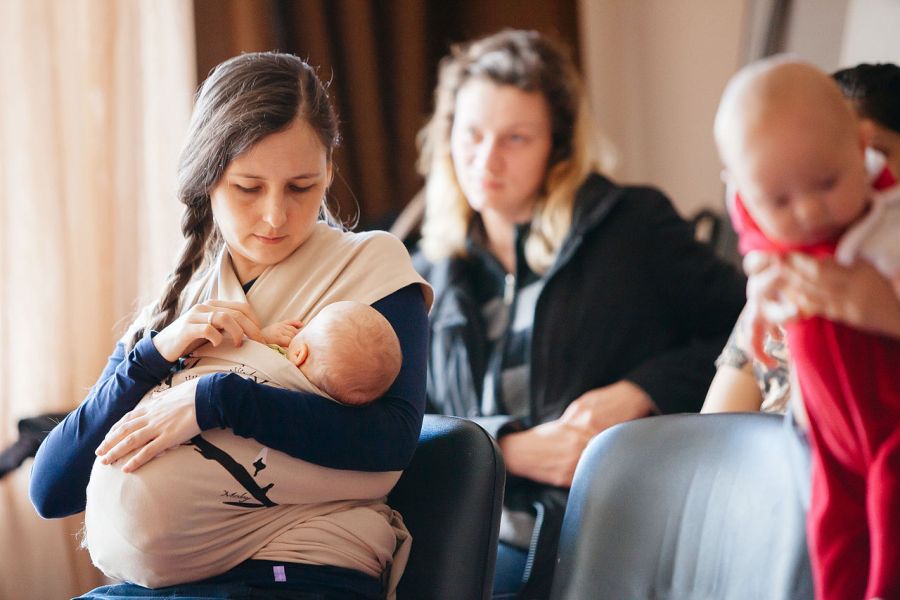
Lactating women also use it to produce lactose, the sugar in milk.
Since lactose from breastfeeding provides a good part of the energy that the baby needs to live well.
This means that lactating women can eat more carbohydrates and proteins – and still remain in ketosis.
It also means that eating a strict ketogenic diet, extremely low in carbohydrates and proteins, can impair milk production.
There is not much research in this area, and many women report that they remained in ketogenic during the period of breastfeeding without problems.
There are only a few case studies of women who have suffered lactation ketoacidosis, a dangerous condition where chronically low insulin prevents cells from accessing blood glucose, which promotes unregulated production of ketone bodies.
The factors that contributed to lactation ketoacidosis in these cases included:
- hungry (do not get hungry or fast during breastfeeding);
- twin feeding (feeding two babies increases the amount of substrate for lactation you need to consume);
- a low-calorie, carbohydrate-restricted, high-fat diet (a poor combination for breastfeeding).
Again, it is worth mentioning that ketoacidosis (a dangerous condition) has nothing to do with nutritional ketosis that is induced by a ketogenic diet (a 100% natural and healthy process for most people).