
Keto Diet
The ketogenic diet (or keto diet, in its abbreviated form) is a low-carbohydrate, high-fat eating plan that offers many health benefits.
In fact, about 20 studies show that this type of diet can help you lose weight and improve health.
Ketogenic diets can have benefits even against diabetes, cancer, epilepsy, and Alzheimer’s.
Here is a detailed beginner’s guide to the keto diet.
What is a ketogenic diet?
The ketogenic diet is a low-carbohydrate, high-fat eating plan that shares many similarities with Atkins and low-carbohydrate diets.
This diet involves reducing carbohydrates dramatically and replacing them with fats. This decrease exposes the body to a metabolic state called ketosis.
When this happens, the body becomes incredibly efficient and manages to convert all the fat into energy. It also converts fat to ketones inside the liver, which can supply more energy to the brain.
Ketogenic diets can cause reductions in blood sugar and insulin levels. This, together with the increase in ketones, provides numerous health benefits.
SUMMARY:The keto diet is a low-carbohydrate, high-fat diet plan. It lowers blood sugar and insulin levels, and a transition occurs in the body’s metabolism in which carbohydrates are replaced by fats and ketones.
Different types of ketogenic diets
There are many versions of ketogenic diets, including:
- The Standard Ketogenic Diet (DCE): It is a very low carbohydrate eating plan, with a moderate intake of protein and high in fat. It normally contains 75% fat, 20% protein and only 5% carbohydrates.
- The Cyclic Ketogenic Diet (DCC): This plan involves periods of higher carbohydrate refills, for example, 5 ketogenic days followed by 2 days with carbohydrates.
- The Adapted Ketogenic Diet (DCA): Allows you to add carbohydrates on training days.
- The High Protein Ketogenic Diet: Similar to a standard ketogenic diet, but includes more protein. The normal is usually 60% fat, 35% protein and 5% carbohydrates.
However, only standard and high protein ketogenic diets have been thoroughly studied. Cyclical or adapted diets are more advanced methods and are mainly used by athletes or bodybuilders.
The information in this article applies mostly to the standard keto diet (DCE), although most of the principles apply to the other types as well.
SUMMARY:There are many versions of the keto diet. The standard version (DCE) is the most researched and recommended.
Ketogenic diets can help you lose weight
A ketogenic diet is an effective way to lose weight and decrease risk factors for some diseases.
In fact, research shows that the keto diet outperforms the low-fat diets that are often recommended.
What’s more, the goal of the diet is that you can lose weight without counting calories or track your intake.
A study found that people who follow a ketogenic diet lose 2.2 times more weight than those who cut calories and fat. Triglycerides and HDL cholesterol levels also show improvement.
Another study found that people on keto diets lose 3 times more weight than those who follow the traditional ones recommended by Diabetes UK (UK charity).
There are many reasons why the keto diet is better than the low-fat diet, such as increased protein intake, which provides numerous benefits.
Increased ketones, decreased sugar levels, and improved insulin sensitivity may also play a role.
SUMMARY:A keto diet can help you lose much more weight than a low-fat diet, which can be done without starvation.
Ketogenic diets for diabetes and prediabetes
Diabetes is characterized by changes in metabolism, increased blood sugar, and impaired insulin functions.
The ketogenic diet can help you lose excess fat, which is closely related to type 2 diabetes, prediabetes, and metabolic syndrome.
A study found that the ketogenic diet improved insulin sensitivity by a whopping 75% increase.
Another study of people with type 2 diabetes found that 7 of the 21 participants were able to stop the use of all diabetes medications.
In yet another study, the keto group lost 24.4 pounds (11.1 kg), compared to the 15.2 pounds (6.9 kg) the group lost with high carbohydrate intakes. It is an important benefit if we consider the relationship between weight and type 2 diabetes.
Additionally, 95.2% of the ketogenic group was able to stop or reduce diabetes medications, compared to 62% of the group with high carbohydrate intakes.
SUMMARY:The ketogenic diet can boost insulin sensitivity and cause fat loss, bringing many health benefits for people with type 2 diabetes or prediabetes.
Other health benefits of the keto diet
The current ketogenic diet originated as a way to treat neurological diseases, such as epilepsy.
Some studies have shown that diet can have benefits in a wide variety of diseases:
- Heart disease: The ketogenic diet can improve risk factors such as body fat, HDL cholesterol levels, blood pressure and blood sugar.
- Cancer: Currently, this diet has been used to treat many types of cancer and reduce the growth of tumors.
- Alzheimer: The keto diet could reduce Alzheimer’s symptoms and slow its progression.
- Epilepsy: Research has shown that the ketogenic diet can greatly reduce epileptic seizures in children.
- Parkinson’s: One study found that diet helped improve Parkinson’s symptoms.
- Polycystic ovary syndrome: The ketogenic diet can help reduce insulin levels, which could play a key role in polycystic ovary syndrome.
- Brain Injuries: An animal study found that diet can reduce concussions and help the patient recover after suffering these injuries.
- Acne: Decreased insulin levels and reduced intake of sugar or processed foods may improve acne.
However, it should be noted that the studies carried out are far from conclusive.
SUMMARY:A ketogenic diet could provide many health benefits, especially in metabolic, neurological or insulin-related diseases.
Foods to avoid
Any high carbohydrate food should be avoided.
Here is a list of foods that should be reduced or eliminated on a keto diet:
- Sugary foods: Soft drinks, fruit juices, smoothies, cakes, ice cream, sweets, etc.
- Cereals or starches: Products derived from wheat, rice, pasta, cereals, etc.
- Fruit: All fruits except small portions of berries, such as strawberries.
- Beans or legumes: Peas, red beans, lentils, chickpeas, etc.
- Root and tuber vegetables: Potatoes, sweet potatoes, carrots, parsnips, etc.
- Low fat or dietary products: They are usually highly processed and rich in carbohydrates.
- Some condiments or sauces: Especially, those that contain sugar and saturated fats.
- Saturated Fats: Limit intake of refined oils, mayonnaise, etc.
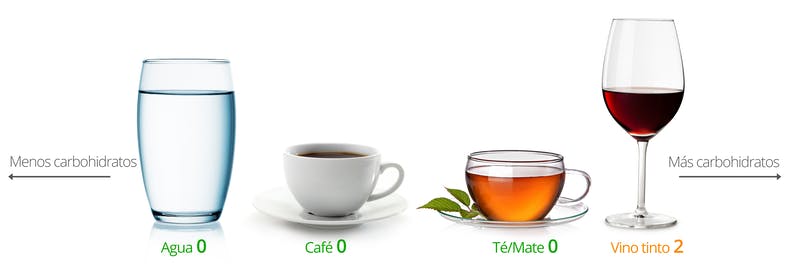
- Alcohol: Due to its high carbohydrate content, many alcoholic beverages must be removed from a ketogenic diet.
- Diet foods without sugars: They are usually rich in sugar alcohols, which can affect ketone levels. These foods also tend to be highly processed.
SUMMARY:Avoid carbohydrate-rich foods such as cereals, sugars, legumes, rice, potatoes, sweets, juices, and most fruits.
Top of Form
What should you know about type 2 diabetes?
To help you stay on top of diabetes, we’ll send you actionable tips on eating wisely, news on research breakthroughs, and more.
Bottom of Form
Food to eat
You should base most of your meals around these foods:
- Meat: Red meat, ribeye, ham, sausages, bacon, chicken and turkey.
- Fatty fish: Like salmon, trout, tuna, and mackerel.
- Eggs: Look for omega 3-rich and pasteurized eggs.
- Butter and cream: If possible, look for grass-fed foods.
- Cheese: Unprocessed cheese (cheddar, goat, creamy, blue, or mozzarella).
- Nuts and seeds: Almonds, walnuts, flax seeds, pumpkin seeds, chia seeds, etc.
- Healthy oils: Above all, extra virgin olive oil, coconut oil and avocado oil.
- Avocado: Whole avocados or guacamole made naturally.
- Low-carb vegetables: Most green vegetables, tomatoes, onions, and peppers, etc.
- Condiments: You can use salt, pepper, some healthy herbs and spices.
It is better that the diet is based mainly on whole meals with a single ingredient.
SUMMARY:Base most of your diet on foods like meat, eggs, butter, healthy oils, avocados, and low-carb vegetables.
Example: Ketogenic feeding plan for 1 week
To help you get started, here is an example of a 1-week eating and keto plan:
Monday
- Breakfast: Bacon, eggs and tomatoes.
- Lunch: Chicken salad with olive oil and feta cheese.
- Dinner: Salmon with asparagus cooked in butter.
Tuesday
- Breakfast: Eggs, tomatoes, basil and goat cheese omelette.
- Lunch: Almond milk, peanut butter, cocoa powder and milk shake with stevia.
- Dinner: Meatballs, cheddar cheese and vegetables.
Wednesday
- Breakfast: A ketogenic milk shake.
- Lunch: Seafood salad with olive oil and avocado.
- Dinner: Pork chops with Parmesan cheese, broccoli and salad.
Thursday
- Breakfast: Omelette with avocado, sauce, peppers, onion and spices.
- Lunch: A handful of nuts and celery sticks with guacamole and sauce.
- Dinner: Chicken stuffed with pesto and cream cheese accompanied by vegetables.
Friday
- Breakfast: unsweetened yogurt with peanut butter, cocoa powder and stevia.
- Lunch: Veal sauteed and cooked in coconut oil with vegetables.
- Dinner: Little burger made with bacon, egg and cheese.
Saturday
- Breakfast: Cheese and ham omelette with vegetables.
- Lunch: Some slices of ham and cheese with walnuts.
- Dinner: White fish, eggs and spinach cooked in olive oil.
Sunday
- Breakfast: Fried eggs with bacon and mushrooms.
- Lunch: Burger with sauce, cheese and guacamole.
- Dinner: Steaks with eggs and salad.
Try to vary between vegetables and meat over a long season, as each provides different nutrients and health benefits.
SUMMARY:You can eat a wide variety of tasty and nutritious foods on a keto diet.
Ketogenic and healthy snacks
In case you’re hungry between meals, here are some healthy keto snacks:
- Fatty meat or fish
- cheese
- A handful of nuts or seeds
- Cheese with olives
- 1 or 2 hard-boiled eggs
- Dark chocolate 90%
- A low-carb milk shake with almond milk, cocoa powder, and nut butter
- Whole milk yogurt with nut butter and cocoa powder
- Strawberries and cream
- Celery with sauce and guacamole
- Smaller portions of leftovers from meals
SUMMARY:The best snacks for a ketogenic diet include pieces of meat, cheese, hard-boiled eggs, nuts, and dark chocolate.
Tips for eating away from home and following a ketogenic diet
It is not very difficult to find many restaurants with ketogenic foods when we go out to eat.
Most restaurants offer meat or fish dishes. You can order any of these foods and replace them with any carbohydrate-rich meal with extra vegetables.
Meals with eggs are also a great option, such as an omelette or eggs with bacon.
Another ideal dish is a undercooked hamburger. You could also replace potato chips with vegetables. Add extra avocado, cheese, bacon, or eggs.
In Mexican restaurants, you can enjoy any type of meat with extra cheese, guacamole, salsa, and sour cream.
For dessert, you can order a table with various cheeses or berries with cream.
SUMMARY:When you eat out, ask for a plate of meat, fish, or eggs. Add extra vegetables instead of carbohydrates or starches and eat cheese for dessert.
Side effects and how to minimize them
Although the keto diet is safe for healthy people, some side effects may appear at first until the body adjusts.
You can suffer from the famous keto flu, which lasts for a few days.
Keto flu causes a decrease in energy and mental capacity, an increase in the feeling of hunger, sleep problems, nausea, digestive upset and decreased exercise performance.
To minimize this problem, you can try to follow a standard, low-carb diet for the first week. This could teach the body to burn more fat before it eliminates carbohydrates entirely.
A keto diet can also change the balance of water and minerals in the body, so you can add extra salt to meals or take mineral supplements.
Regarding minerals, try to take 3,000 to 4,000 mg of sodium, 1,000 mg of potassium and 300 mg of magnesium daily to minimize side effects.
At least initially, it is important to eat until you feel full and to avoid restricting calories too much. Typically, the ketogenic diet causes weight loss without intentional caloric reduction.
SUMMARY:Many of the side effects of starting the keto diet can be limited. Introducing the diet little by little and taking mineral supplements can improve them.
Supplements for a ketogenic diet
Although it is not necessary to take supplements, they can be useful.
- TMC Oil: Add it to drinks or yogurt, as it provides energy and helps increase ketone levels.
- Minerals: Add salt and other minerals when you start the diet, as it can be important to balance mineral and water levels.
- Caffeine: Caffeine can have benefits for energy, fat loss, and performance.
- Exogenous ketones: This supplement could help increase ketone levels in the body.
- Creatine: Provides numerous health and performance benefits. It can help you if you combine a ketogenic diet with exercise.
- Whey Protein: Pour half a tablespoon of whey protein into smoothies or yogurt to increase your daily protein intake.
SUMMARY:Some supplements may be beneficial in the keto diet. Among them, we find exogenous ketones, TMC oil and minerals.